
“Christ-centered support. Real student growth.”
Academic Resources Program at Genesee Christian School
Ages Preschool to 12th grade.
Our Academic Resource Program (ARP) provides individualized support for students at both the elementary and high school levels. At the elementary campus, a dedicated paraprofessional works directly with students to provide targeted academic assistance and classroom support. Our Director of Academic Resources oversees services for students of concern, coordinating interventions, collaborating with families, and connecting with outside providers and local agencies to ensure students receive the most appropriate support available. We work closely with teachers, parents, and community partners to develop thoughtful plans that promote student growth while maintaining clear and transparent communication about the services we are able to provide within our school setting. Our goal is to offer responsive, student-centered support that strengthens learning and helps each student reach their potential.
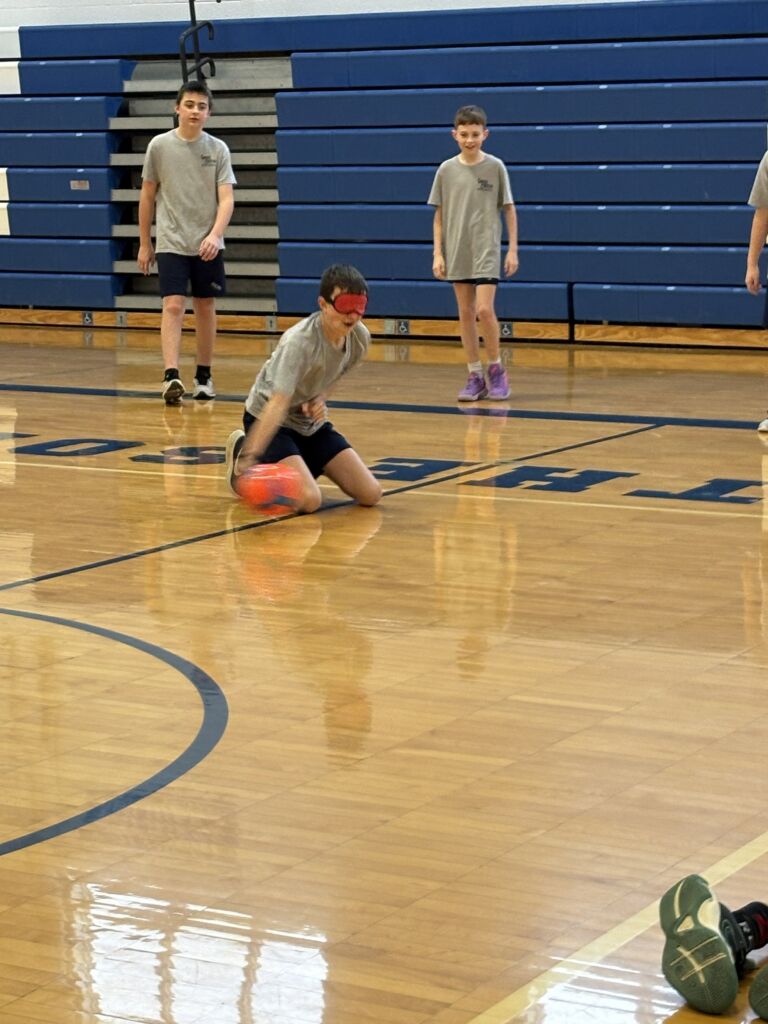
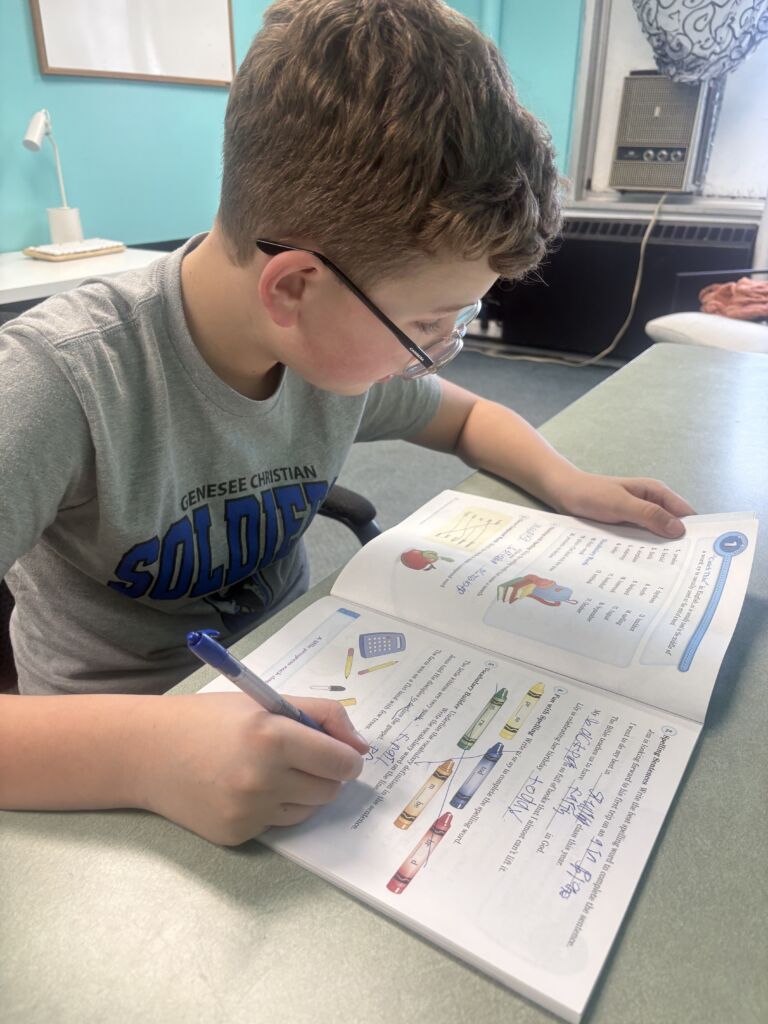
At GCS, many supports and accommodations are naturally built into our daily teaching and classroom routines, these are for all students. Things that may require formal plans in large districts are often already in place for all students, we call these universal supports.
- Small class sizes – allows for individualized attention and more interaction with teachers.
- Personalized attention – teachers know each student’s strengths, needs, and learning style.
- Close communication with students and families – frequent updates and collaboration support consistent progress.
- Natural accommodations – extra time, verbal instructions, or assignment modifications happen seamlessly in class.
- Consistent routines – structured schedules reduce stress and help with focus and organization.
- Flexible seating and learning spaces – students can choose or be placed in environments that help them concentrate.
- Integrated social-emotional support – mentoring, character development, and emotional check-ins are part of daily life.
- Immediate intervention – teachers can notice challenges early and provide support without waiting for formal processes.
- Collaboration across staff – principal, counselor, and teachers work together to meet student needs promptly.
- Intentional scheduling tracks – course placement is designed around student ability and long-term goals, offering both advanced (AP) and foundational (basic) class options.
These built-in supports often allow students to thrive academically, socially, and emotionally without needing a formal plan, though we always work with families to provide additional services when necessary.
Individualized Education Program
(GCS: Non Public Service Plan)
- Purpose: Provides special education services for students who qualify under the IDEA (Individuals with Disabilities Education Act).
- Who Qualifies: Students whose disability impacts educational performance and requires specialized instruction.
- What It Includes: Academic goals tailored to the student, Specialized instruction and services (e.g., speech, occupational therapy), Accommodations and modifications to the curriculum
- Legal Protection: IDEA — a federal law ensuring a free and appropriate public education (FAPE) with specific rights and safeguards.
- Purpose: Provides accommodations so students with disabilities can access the general education environment.
- Who Qualifies: Students with a disability that substantially limits a major life activity (including learning), but who do not need specialized instruction.
- What It Includes: Classroom accommodations (e.g., extra time on tests, preferential seating, behavior supports), Related services if needed to access learning
- Legal Protection: Section 504 — a civil rights law preventing discrimination based on disability
Benefits of a 504 Plan
- Keeps your child in general education — the student receives support without leaving the regular classroom.
- Accommodations only — often simpler to manage and less paperwork than an IEP.
- Follows the student through school and beyond — supports can continue into middle school, high school, and even college under federal law.
- Collects data if an IEP is needed in the future.